Introduction
The Federal Aviation Administration (FAA) Next Generation Air Transportation System, commonly known as NextGen, is a comprehensive, multi-year modernization program aimed at transforming the United States' air traffic control system. The goal of NextGen is to shift from a ground-based radar system to a satellite-based system, improving the safety, efficiency, and environmental impact of aviation. Launched in 2003, the initiative represents one of the most ambitious transformations in the history of U.S. air transportation.
Background and Need for NextGen
Before NextGen, the U.S. air traffic control system relied on radar technology that had been in use since the mid-20th century. While this system was effective, it had significant limitations in terms of capacity, precision, and efficiency. With increased air travel demand, congestion, delays, and environmental concerns began to rise. The FAA recognized the need for a more scalable, precise, and environmentally sustainable system, leading to the creation of NextGen.
Objectives
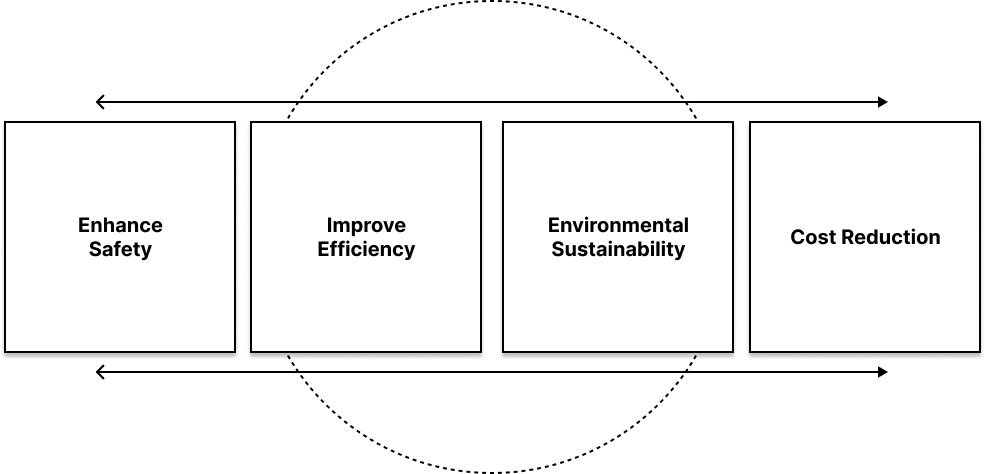
The key objectives of the NextGen initiative are as follows:
Enhance Safety: Reduce the risk of collisions, improve situational awareness, and provide better tracking of aircraft.
Improve Efficiency: Increase airspace capacity, reduce delays, and optimize flight paths.
Environmental Sustainability: Minimize fuel consumption and greenhouse gas emissions through more direct routing and optimized flight paths.
Cost Reduction: Lower operational costs for airlines and reduce the FAA's infrastructure costs by decommissioning legacy radar systems.
Core Technologies and Capabilities
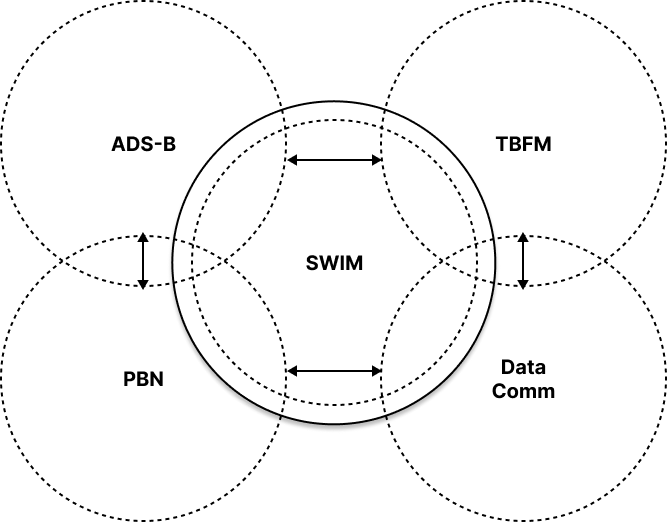
NextGen encompasses a wide range of technologies and operational improvements. Some of the core components include:
Automatic Dependent Surveillance-Broadcast (ADS-B): Replaces traditional radar with satellite-based aircraft tracking, allowing for real-time, highly accurate aircraft position information.
Performance-Based Navigation (PBN): Utilizes satellite navigation to enable more direct and efficient flight paths, saving fuel and reducing emissions.
Data Communications (Data Comm): Replaces voice communications with digital messaging between pilots and air traffic controllers, reducing workload and enhancing clarity.
System Wide Information Management (SWIM): Provides a central hub for real-time information sharing among all stakeholders, including airports, airlines, and air traffic controllers.
Time-Based Flow Management (TBFM): Optimizes the scheduling of arrivals and departures, reducing bottlenecks at airports.
Challenges and Risks
The NextGen initiative faced several challenges, including:
Funding and Budget Constraints: With multiple competing priorities within the FAA's budget, funding for NextGen was often scrutinized.
Technological Complexity: Integrating advanced technologies into legacy systems required significant effort and time.
Stakeholder Resistance: Airlines, pilots, and airport authorities had to be convinced to adopt new technologies and procedures.
Regulatory Hurdles: Ensuring compliance with new safety and security standards required extensive collaboration with the aviation community.
Time-Based Flow Management (TBFM): Optimizes the scheduling of arrivals and departures, reducing bottlenecks at airports.
Impact and Benefits
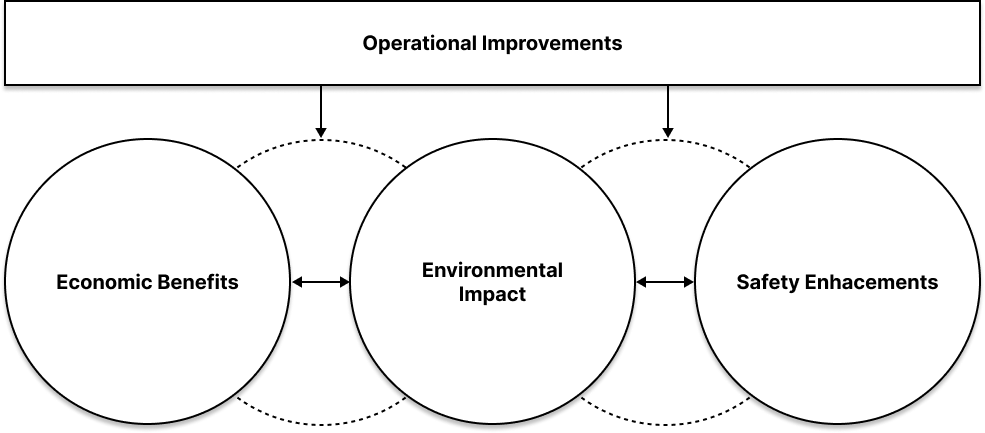 Operational Improvements:
 NextGen's technologies, such as ADS-B, have increased the precision of tracking aircraft, leading to fewer delays and increased capacity at major airports.
Economic Benefits: Airlines have reported fuel savings due to shorter, more direct flight routes enabled by PBN, leading to significant cost reductions.
Environmental Impact: The reduced fuel consumption from more efficient flight paths has had a positive impact on greenhouse gas emissions, supporting sustainability goals.
Safety Enhancements: The shift from radar to satellite-based tracking improves the accuracy of aircraft positioning, enhancing safety for passengers and crew.
Lessons Learned
Stakeholder Collaboration: Successful implementation of NextGen required close collaboration with airlines, airports, and other stakeholders.
Change Management: Transitioning from radar to satellite-based tracking required extensive training and process adjustments, underscoring the importance of change management.
Future Outlook
NextGen remains a long-term initiative, with new milestones and improvements planned for the future. The FAA continues to invest in the next phases of the program, which include further automation, machine learning-based decision support tools, and more advanced traffic flow management.
Conclusion
The FAA's NextGen initiative is a monumental effort to modernize air traffic control and airspace management in the United States. By leveraging satellite tracking, performance-based navigation, and data-driven communications, NextGen aims to improve safety, efficiency, and environmental impact. The contributions of experts like Matthew Conti, who facilitated early cloud computing integration, have played a vital role in shaping the program's success. NextGen serves as a model for large-scale, technology-driven transformation efforts in critical infrastructure systems.