Introduction
The National Assessment of Educational Progress (NAEP), often referred to as the "Nation's Report Card," is a key educational assessment administered to a representative sample of students in the United States. It evaluates student knowledge and skills in various subjects, such as mathematics, reading, and science, and provides insights into the effectiveness of the U.S. education system. Traditionally, NAEP assessments have been administered via paper-based tests. However, to reflect the growing role of digital technology in education, NAEP has introduced Digitally Based Assessments (DBA), which utilize technology to administer and assess student performance.
This case study explores the transition from paper-based assessments to digital formats within NAEP, focusing on the implementation, outcomes, challenges, and lessons learned.
Background
NAEP has evolved over the years, shifting from pen-and-paper formats to more technologically advanced approaches to better capture student learning in a 21st-century context. The transition to Digitally Based Assessments (DBA) began in earnest in 2017, with a pilot project that aimed to explore the benefits and challenges of digital assessments on a national scale.
The DBA initiative was designed to:
Align assessment methods with modern teaching and learning environments.
Incorporate technology-enhanced item types that better measure complex skills such as problem-solving and critical thinking.
Improve the efficiency and accuracy of assessment data collection and analysis.
Objectives of DBA Implementation
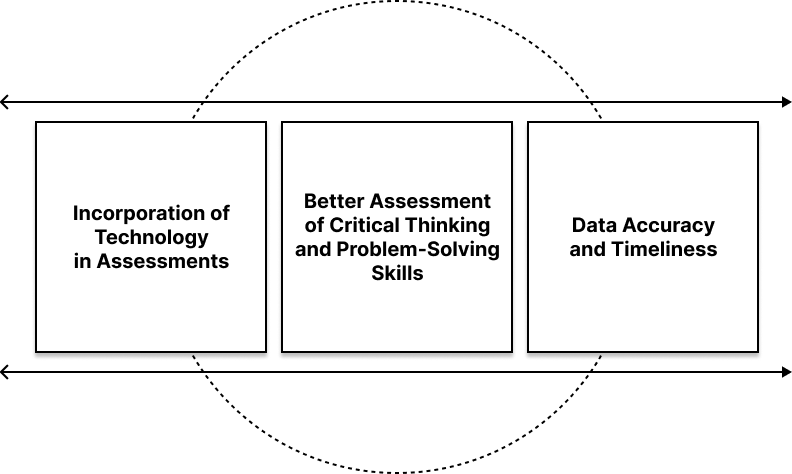 Incorporation of Technology in Assessments
One of the primary objectives of the DBA transition was to integrate technology into the assessment process. This move reflects the increasing role of digital literacy in the curriculum and real-world problem-solving.
Better Assessment of Critical Thinking and Problem-Solving Skills
Traditional paper tests often fail to measure a range of complex cognitive abilities. Digital assessments allowed for the inclusion of interactive items, such as simulations and drag-and-drop questions, to assess higher-order thinking.
Data Accuracy and Timeliness
DBAs allow for more immediate data collection and analysis, providing quicker insights into student performance and trends across the nation. This helps inform education policy and resource allocation in a more timely and effective manner.
Key Features of NAEP's Digitally Based Assessments
Technology-Enhanced Items
DBAs feature a wider variety of item types, including:
Interactive simulations that test problem-solving in real-world scenarios.
Drag-and-drop exercises that assess skills such as sorting, categorizing, and organizing.
Multimedia elements such as videos and audio clips that assess listening comprehension or visual literacy.
Adaptive Testing
The digital format allowed for the use of adaptive testing, where the difficulty of questions could be adjusted based on a student's responses. This ensures a more personalized and accurate measurement of student abilities.
Scalability and Efficiency
The digital format improved the scalability of the assessment. Tests could be administered more efficiently, with less reliance on physical materials, reducing logistical challenges and costs associated with paper assessments.
Integration with Data Analytics
By leveraging digital technologies, the DBA format integrated seamlessly with data analysis systems, allowing for faster collection of performance metrics, which were used to generate actionable insights about educational trends across different student groups.
Implementation Process
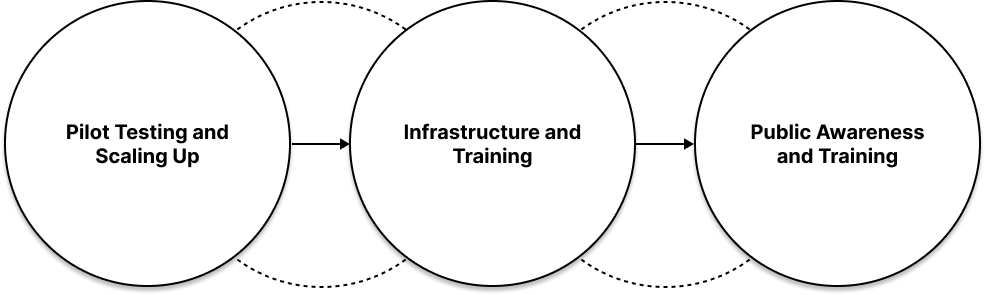 Pilot Testing and Scaling Up
The first step in the implementation of DBAs was the 2017 pilot testing, which involved a select group of schools and students. The pilot helped identify potential issues and refine the testing experience for both students and educators.
Infrastructure and Training
The implementation of DBAs required significant upgrades to both hardware and software infrastructure in participating schools. Schools were provided with training to ensure that both students and administrators were comfortable with the new digital platform.
Public Awareness and Communication
Effective communication with stakeholders (teachers, students, parents, policymakers) was essential. The National Center for Education Statistics (NCES), which oversees NAEP, provided regular updates and resources to ensure transparency and manage expectations during the transition.
Outcomes
Improved Engagement
Students often report higher engagement with digital assessments, as the interactive nature of the DBA allowed for a more dynamic and varied testing experience. This engagement can lead to more accurate assessments of student abilities, especially for complex problem-solving skills.
Increased Validity of Assessments
By utilizing technology-enhanced items, the DBA format enabled the assessment of skills that were previously difficult to measure with paper tests, such as creativity, collaboration, and critical thinking.
Timely Data and Reporting
The transition to digital assessments significantly shortened the time between test administration and reporting of results. This allowed educators, policymakers, and the public to access data more quickly, leading to faster responses to emerging educational trends.
Expansion of Assessment Reach
With digital testing, NAEP was able to reach a broader range of students across the nation, including those in remote or under-resourced areas, provided that the schools had access to the necessary technology.
Challenges
 Digital Divide
Despite significant progress, some schools, especially those in rural or low-income areas, faced challenges due to limited access to technology. Ensuring equitable access to the necessary hardware and reliable internet connections was a key issue.
Technical Difficulties
The first few rounds of DBA testing experienced technical issues, including software glitches, connectivity problems, and hardware failures. While these issues were largely resolved over time, they highlighted the importance of rigorous testing and preparation prior to full-scale implementation.
Adaptation by Students and Educators
Some students and educators faced initial difficulties adjusting to the new format, particularly those with limited experience using digital testing platforms. Training and support systems were implemented to address this challenge.
Lessons Learned
Early Pilot Programs Are Essential
The success of the DBA transition was largely attributed to the thorough pilot testing process. This allowed NAEP to identify issues and make improvements before scaling the assessments to a national level.
Equity in Technology Access Is Critical
To ensure the validity of the results and avoid bias, NAEP and its partners must continue to address disparities in technology access. Schools in underserved areas need support to provide students with the tools and infrastructure necessary to participate in digital assessments.
Ongoing Professional Development Is Necessary
As the digital landscape evolves, continuous professional development is needed for both educators and students to ensure they are prepared for future DBA formats and technological changes.
Conclusion
The transition to Digitally Based Assessments (DBA) for the National Assessment of Educational Progress (NAEP) represents a significant step forward in modernizing the way student achievement is measured in the United States. By incorporating technology-enhanced items, adaptive testing, and more efficient data collection methods, DBA has the potential to provide deeper insights into student learning and inform education policy more effectively. While there have been challenges, such as ensuring equitable access to technology and managing technical difficulties, the ongoing refinement of the DBA system promises to make NAEP a more effective tool for assessing and improving education nationwide.