Background
In 2018, the United States Navy embarked on a significant transformation of its primary digital presence, Navy.mil. The goal of this initiative was to modernize the website's user experience (UX) and improve operational efficiency for millions of active-duty service members, veterans, civilian employees, and the general public. This effort aimed to create a more cohesive, intuitive, and mission-driven online experience that aligned with the Navy's broader goals for digital transformation and readiness.
Challenges
 Outdated User Interface:
 The existing Navy.mil website featured an antiquated design that was not optimized for modern devices, particularly mobile access, which had become a primary entry point for users.
Fragmented Information Architecture: Information was scattered across multiple pages with inconsistent navigation paths, making it difficult for users to find critical resources.
Inconsistent Branding: The visual and thematic elements did not align with the Navy's core brand identity, reducing its credibility and impact as a digital touchpoint.
Limited Accessibility and Compliance: The website did not fully adhere to Section 508 compliance requirements, which limited access for users with disabilities.
Objectives
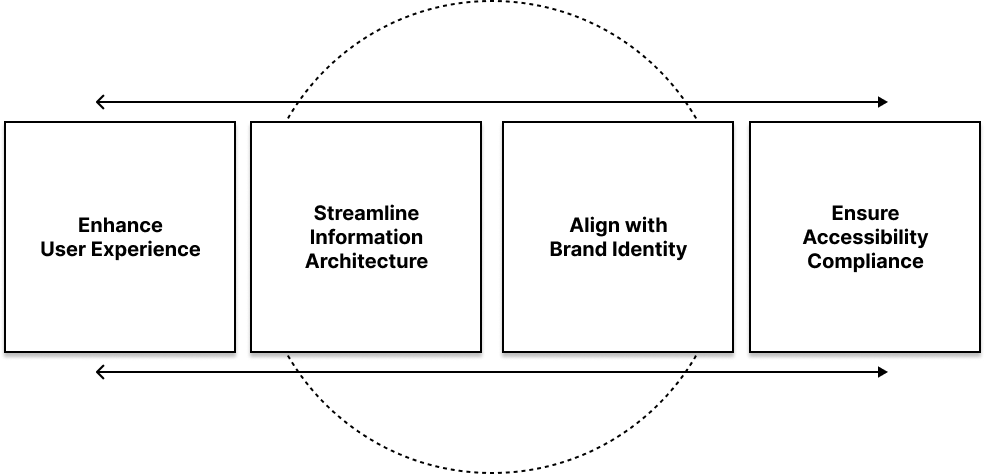 Enhance User Experience:
 Create a modern, responsive design optimized for all devices, with improved navigation and accessibility.
Streamline Information Architecture: Reorganize content to enable faster access to mission-critical information.
Align with Brand Identity: Develop a unified design language that reflects the Navy's heritage, mission, and core values.
Ensure Accessibility Compliance: Meet and exceed Section 508 standards for accessibility to support a wider range of users.
Approach
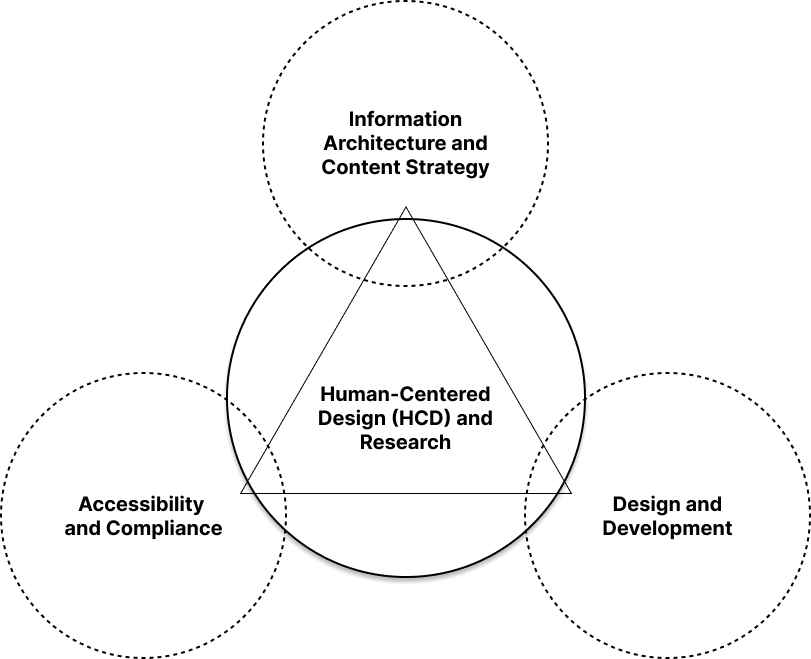 Human-Centered Design (HCD) and Research
Conducted extensive user research, including interviews, surveys, and usability testing with service members, and civilian personnel.
Identified key user personas and their primary goals, such as accessing service benefits, mission updates, and operational announcements.
Information Architecture and Content Strategy
Created a streamlined navigation structure, reducing redundancy and improving logical pathways to information.
Prioritized the most frequently accessed content and established a clear, simple homepage layout.
Design and Development
Applied responsive web design principles to ensure optimal viewing on desktops, tablets, and smartphones.
Developed a new visual style guide, incorporating Navy's colors, typography, and iconography for a cohesive look and feel.
Accessibility and Compliance
Conducted Section 508 audits and implemented changes to ensure screen reader compatibility, keyboard navigation, and visual contrast enhancements.
Human-Centered Design (HCD) and Research
Conducted extensive user research, including interviews, surveys, and usability testing with service members, and civilian personnel.
Identified key user personas and their primary goals, such as accessing service benefits, mission updates, and operational announcements.
Information Architecture and Content Strategy
Created a streamlined navigation structure, reducing redundancy and improving logical pathways to information.
Prioritized the most frequently accessed content and established a clear, simple homepage layout.
Design and Development
Applied responsive web design principles to ensure optimal viewing on desktops, tablets, and smartphones.
Developed a new visual style guide, incorporating Navy's colors, typography, and iconography for a cohesive look and feel.
Accessibility and Compliance
Conducted Section 508 audits and implemented changes to ensure screen reader compatibility, keyboard navigation, and visual contrast enhancements.
Impact and Results
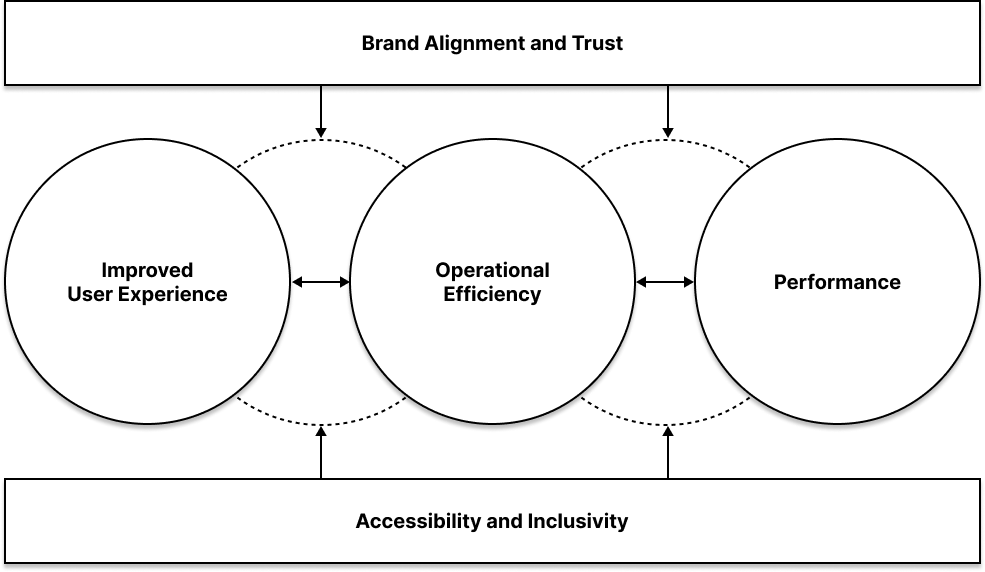 Improved User Experience
The redesigned website featured a clean, modern interface with easy navigation, making it simpler for users to find key resources and updates.
The responsive design ensured that users could access Navy.mil on mobile devices with a consistent experience, leading to a significant increase in mobile engagement.
Operational Efficiency
The new information architecture reduced the time it took for users to find critical documents and resources, boosting operational readiness.
Key functions, such as accessing personnel information and submitting forms, were made more intuitive and efficient.
Improved User Experience
The redesigned website featured a clean, modern interface with easy navigation, making it simpler for users to find key resources and updates.
The responsive design ensured that users could access Navy.mil on mobile devices with a consistent experience, leading to a significant increase in mobile engagement.
Operational Efficiency
The new information architecture reduced the time it took for users to find critical documents and resources, boosting operational readiness.
Key functions, such as accessing personnel information and submitting forms, were made more intuitive and efficient.
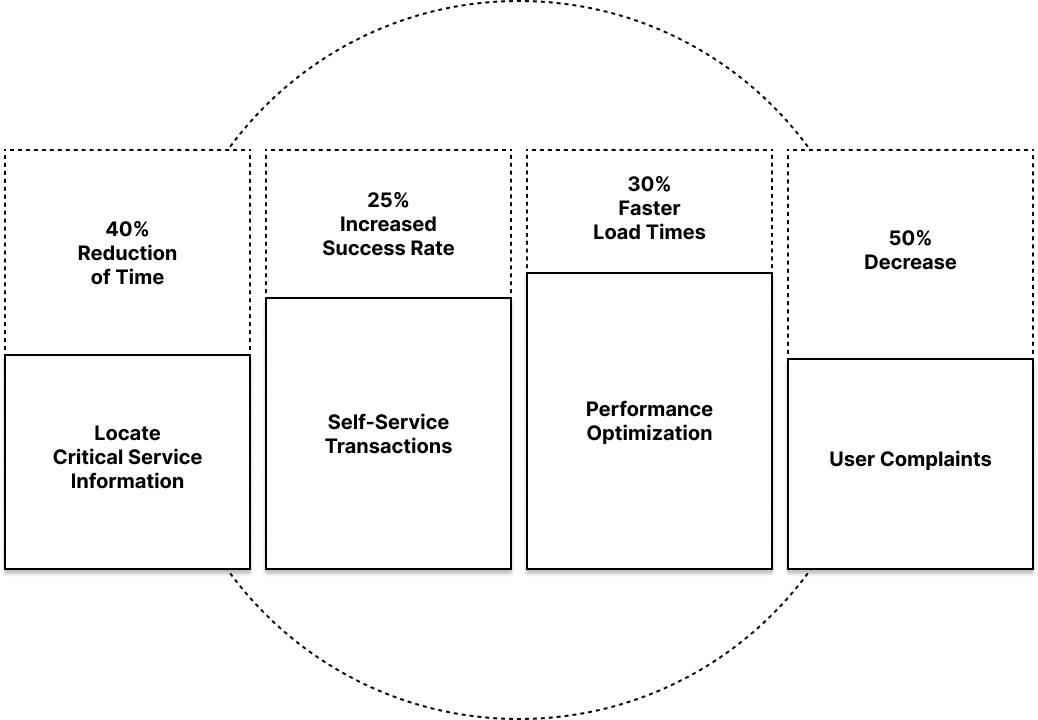 40% Reduction in the average time required to locate critical service information.
25% Increase in successful self-service transactions, reducing the need for manual support.
30% Faster Load Times due to performance optimizations and improved caching mechanisms.
50% Decrease in user complaints related to navigation and accessibility issues.
Brand Alignment and Trust
The unified design and branding elevated the Navy's image as a forward-thinking, mission-driven organization.
Greater alignment with the Navy's core mission was reflected in the updated imagery, color palette, and tone of messaging.
Accessibility and Inclusivity
Full compliance with Section 508 standards improved access for users with disabilities, fostering a more inclusive user experience.
The accessibility improvements demonstrated the Navy's commitment to inclusivity and fairness for all users.
Performance
Faster load times and optimized performance increased user satisfaction, particularly for service members accessing the site under bandwidth constraints.
40% Reduction in the average time required to locate critical service information.
25% Increase in successful self-service transactions, reducing the need for manual support.
30% Faster Load Times due to performance optimizations and improved caching mechanisms.
50% Decrease in user complaints related to navigation and accessibility issues.
Brand Alignment and Trust
The unified design and branding elevated the Navy's image as a forward-thinking, mission-driven organization.
Greater alignment with the Navy's core mission was reflected in the updated imagery, color palette, and tone of messaging.
Accessibility and Inclusivity
Full compliance with Section 508 standards improved access for users with disabilities, fostering a more inclusive user experience.
The accessibility improvements demonstrated the Navy's commitment to inclusivity and fairness for all users.
Performance
Faster load times and optimized performance increased user satisfaction, particularly for service members accessing the site under bandwidth constraints.
Lessons Learned
User Feedback is Essential: Involving users early and consistently in the design process allowed for the identification of pain points and ensured that the final product met their needs.
Accessibility is Non-Negotiable: Meeting Section 508 standards was a critical success factor, as it increased the reach and inclusivity of the website.
Conclusion
The transformation of Navy.mil into a modern, user-centric, and operationally efficient platform marked a significant milestone for the U.S. Navy's digital transformation journey. By prioritizing user needs, modernizing the design, and enhancing accessibility, the Navy created a flagship digital presence that reflects its mission to "protect and defend" both on and off the web. This case study serves as a model for other government agencies seeking to modernize their digital platforms to meet the needs of today's users.